

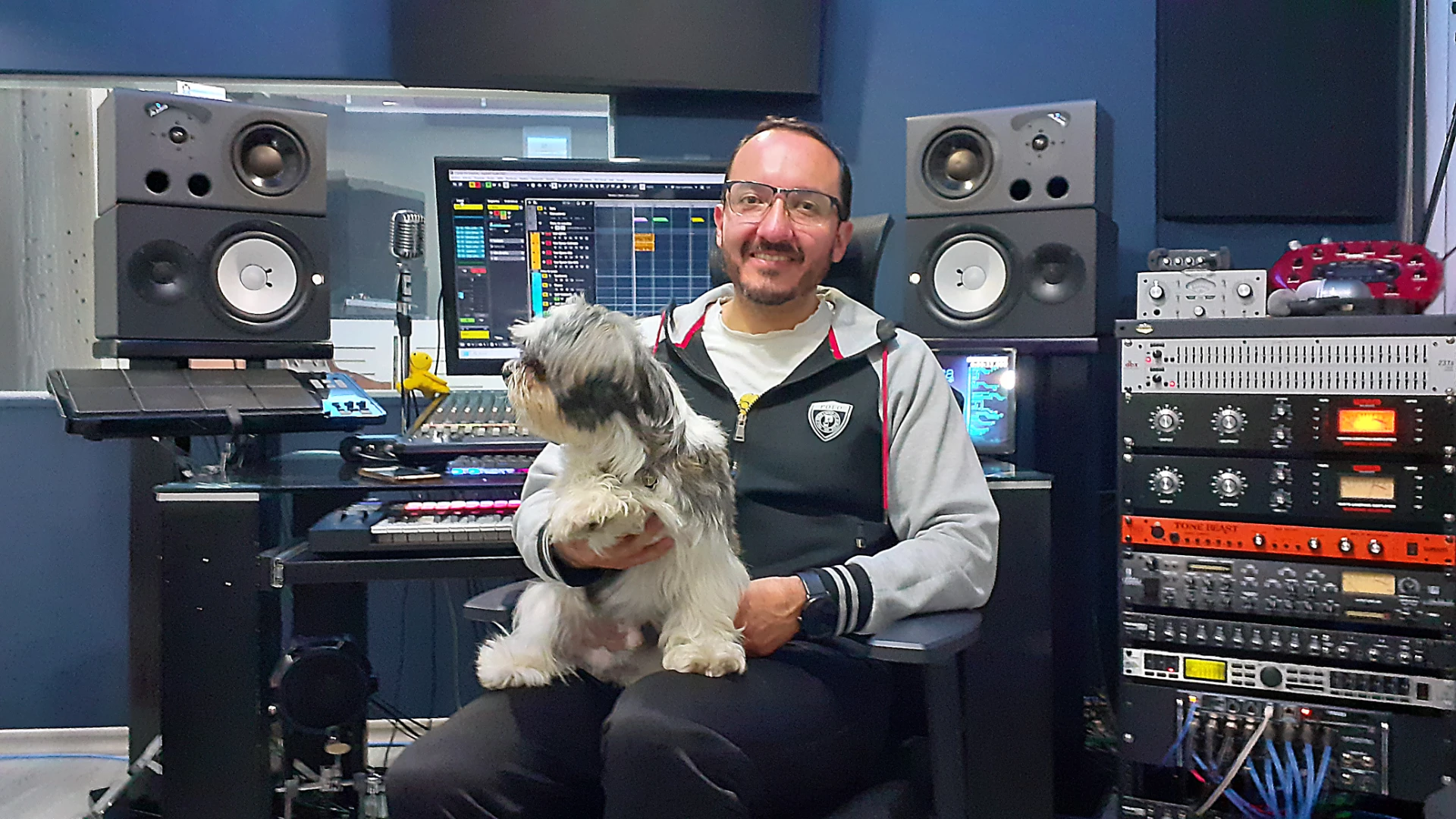
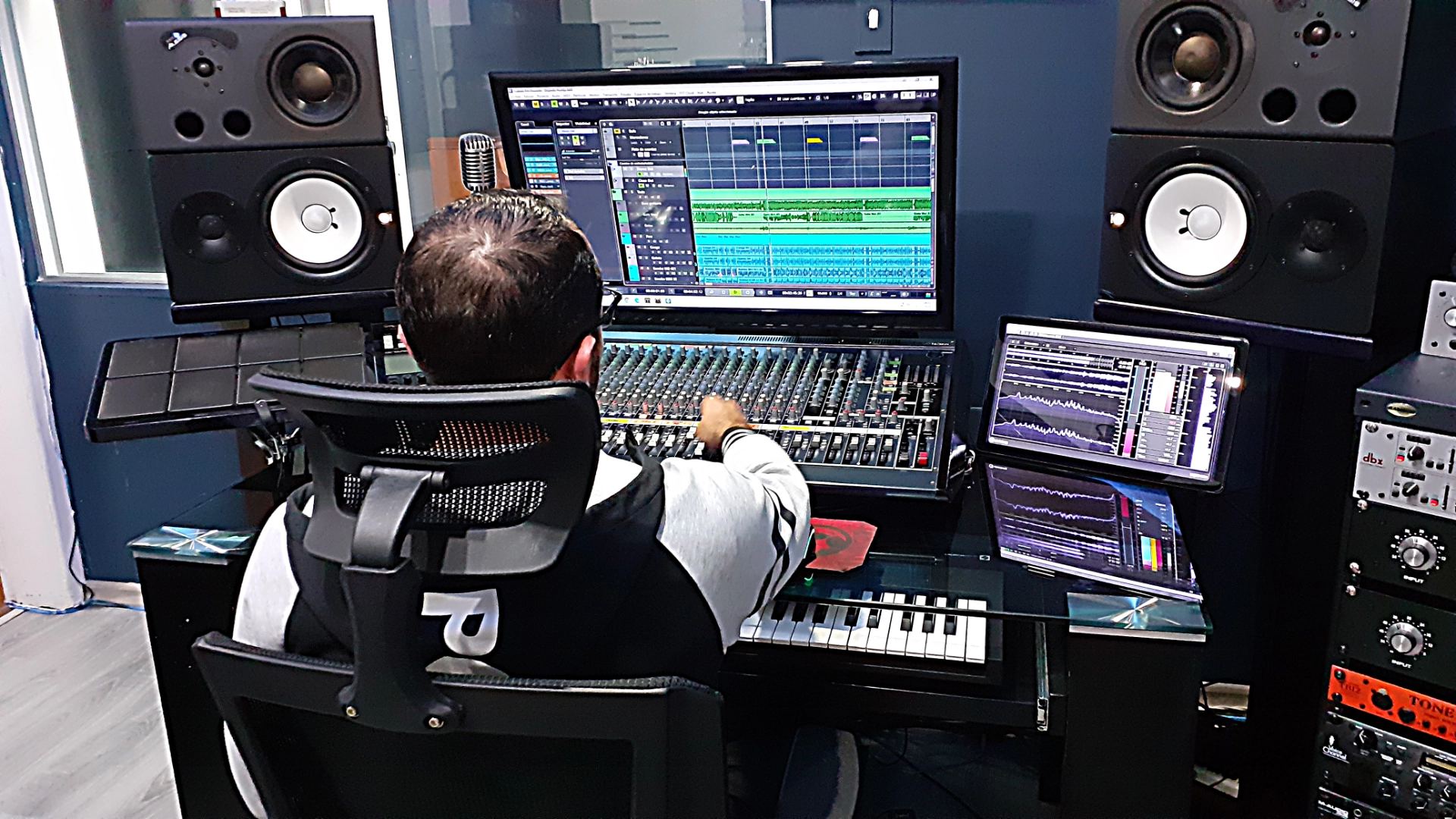
César Mena has been running Semifusa Estudio in Ecuador’s capital Quito for almost 20 years. In this interview, the producer and sound engineer provides insight into the Latin American music scene, discusses the challenges and opportunities of artificial intelligence, and shares some valuable tips.
In fall of 2025 I had a chance to visit Ecuador. I had managed to get a sponsorship from Sound Service, who set me up with field recording equipment from Zoom. But I also wanted to take the chance and learn about the local audio scene, which is why I reached out to César Mena.
César is a 44 year old producer and audio engineer who founded Semifusa Estudio in 2007. Located in Ecuador’s capital city Quito, he has worked with many national and international artists, producers and broadcast stations across a wide variety of genres. Besides being curious about the Latin American music scene, I was also excited to hear about his experiences in almost 20 years of studio ownership and how AI influences his studio work.
Can you tell us a little bit about the history of Semifusa Estudio?
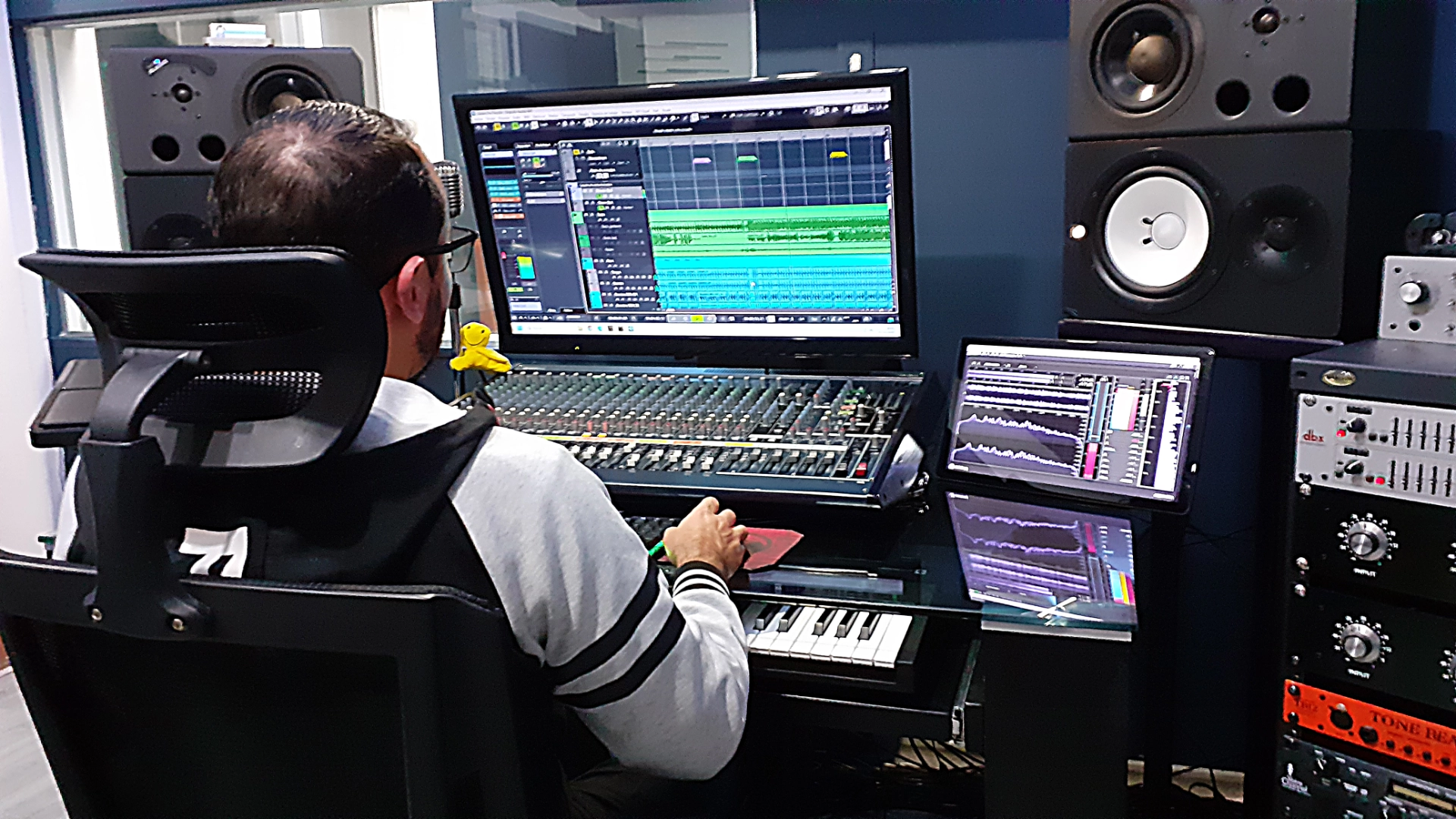
César: When I founded the studio I only had a computer, a small 2 channel audio-interface, an 8 track ADAT recorder, a 12 channel console, a Shure SM58 and a pair of classic Yamaha NS-10 that I was lucky to find. The first four years were very tough. I recorded a lot and was faced with many poorly paid projects. The little money I earned I reinvested into new equipment.
From about 2010 until 2011 I had a business partner and an administrative assistant. We were 100 percent focusing on getting “big” and “important” projects. In 2011 I had also invested big in new gear and began recording bands more often. Their careers “exploded” after they recorded their albums in my studio, so things started to pick up. The studio experienced a non-stop growth, recording albums for Ecuadorian bands and live sessions for international bands and soloists from Mexico, Perú, Panamá, Colombia and Argentina. Unfortunately, it didn’t work out as expected and soon the lack of consistent cash flow became a big problem for us. Eventually, I had to make a decision and decided to change the business structure in 2012: no more partners or investors, just complete focus on acquiring more clients and projects – I decided to go back to basics and work by myself again.
From 2012 until 2020 I managed the studio myself; produced, mixed, and mastered. I also employed an audio assistant who was dedicated to production, recording, editing, and playing as a session musician. We also had interns from time to time who supported my assistant for editing and recordings.
Then the pandemic came and changed everything in the industry. I had to adapt things as fast as possible to the new circumstances, workflow, and budget of the clients. However, now I can say I work with more session musicians and producers than before the pandemic, because they are hired for specific projects and aren´t direct workers of the studio.
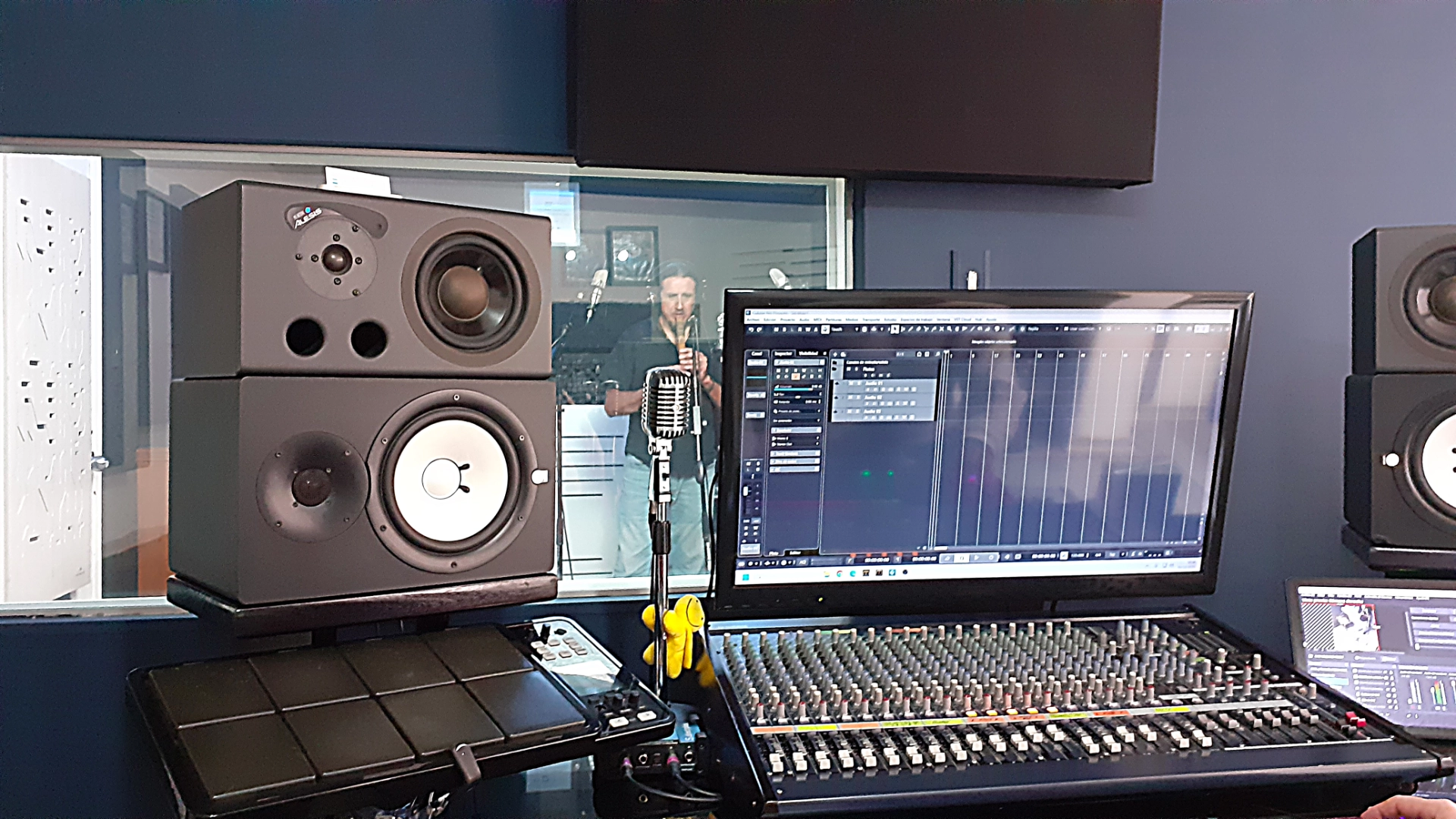
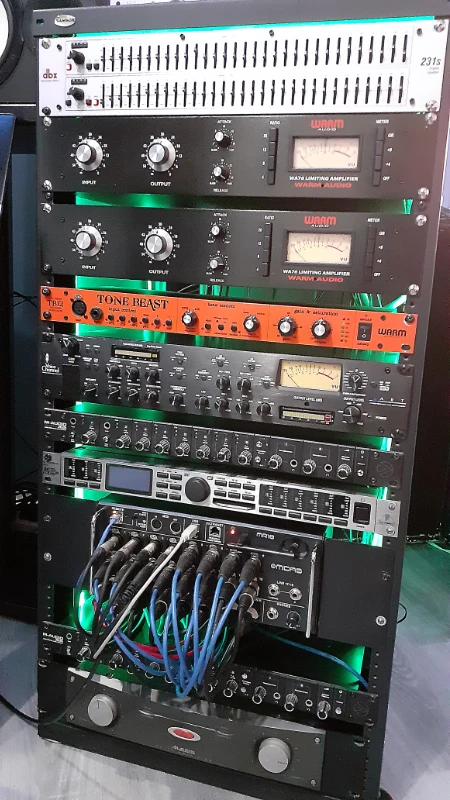
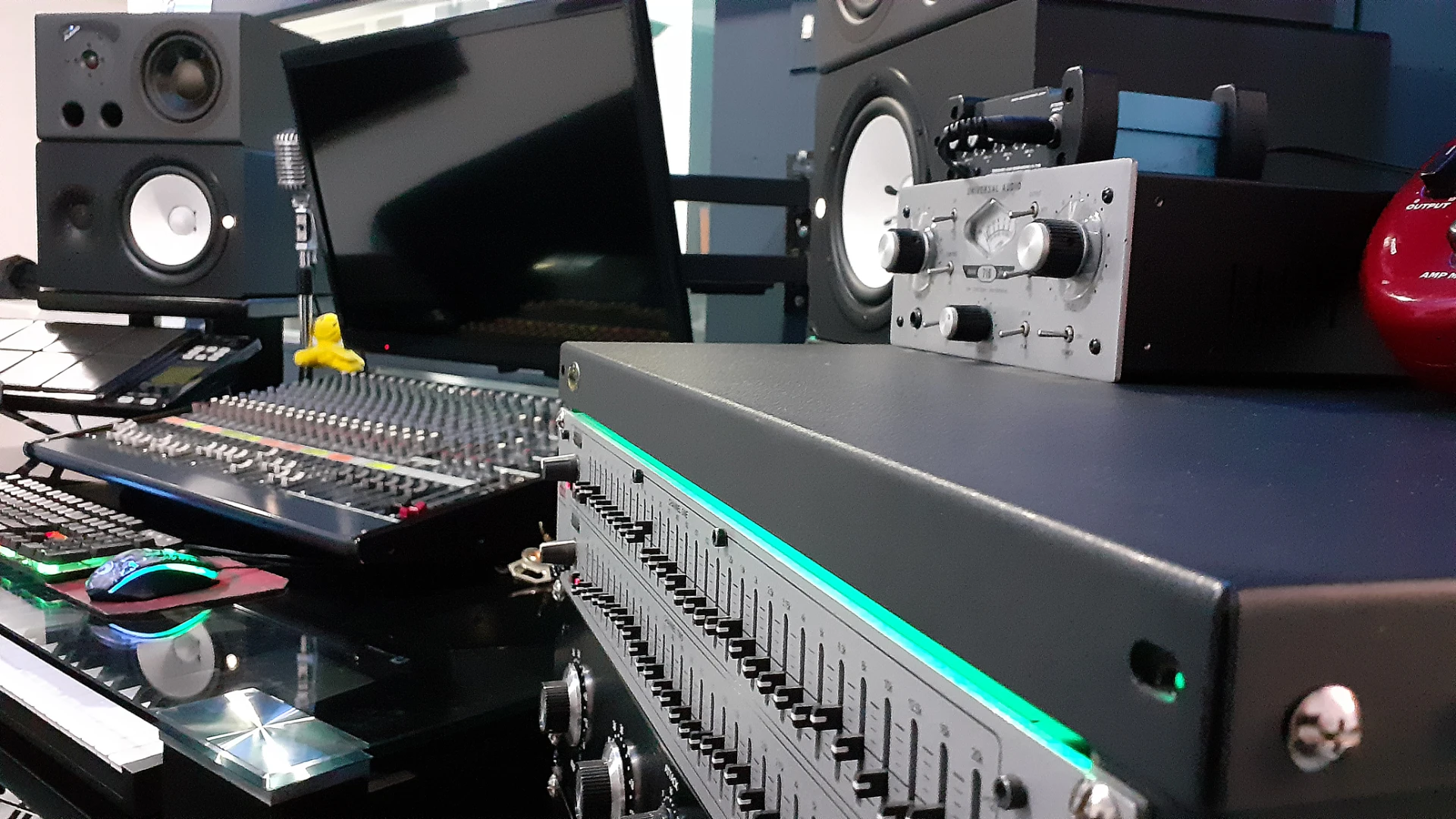
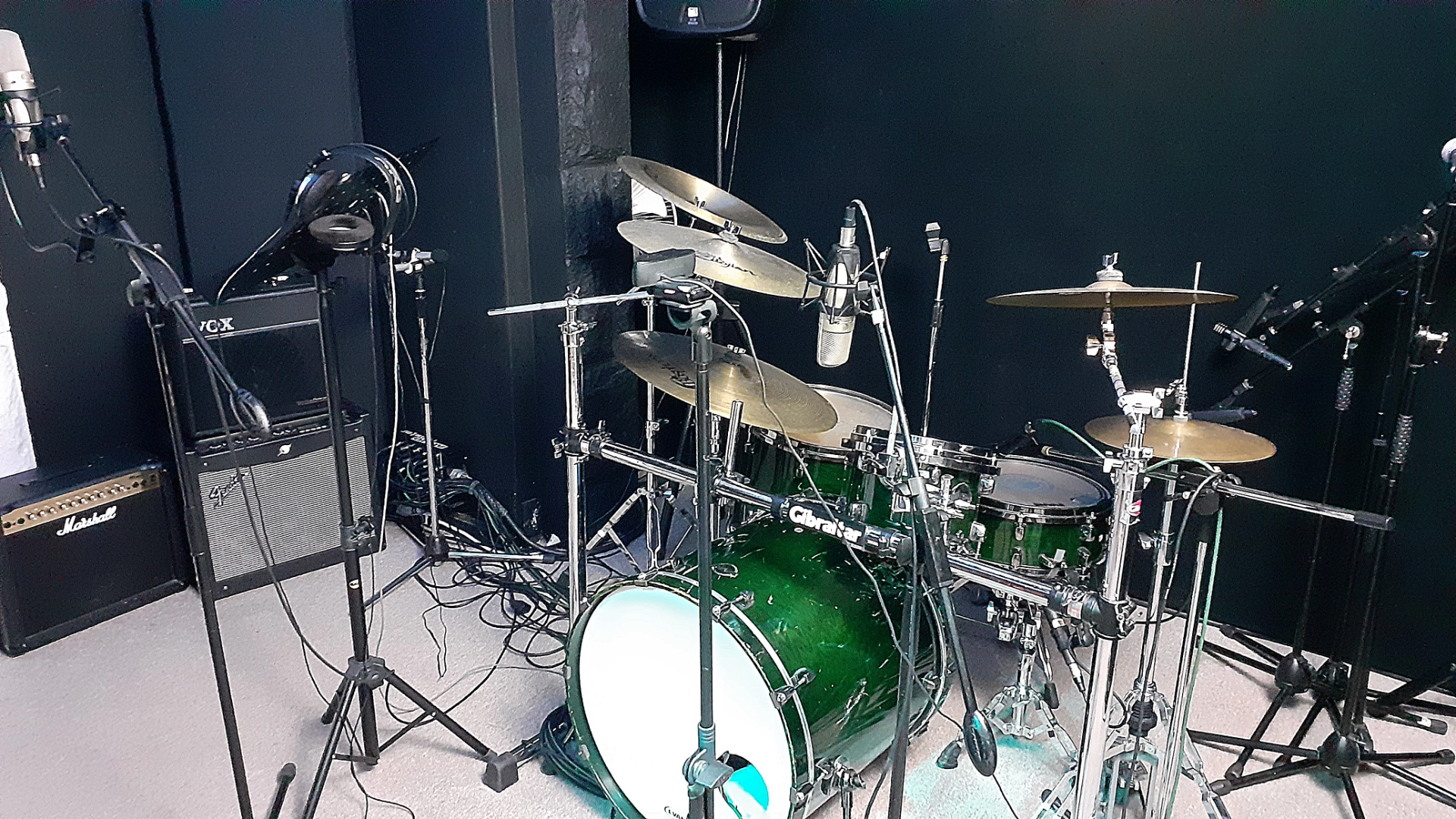
The studio itself changed too. I now have just one recording room and the control room. I sold most of the hardware and invested more in software. For the past years I have been working mostly with solo artists.
Currently, the studio’s income is stable, but Ecuador’s situation isn’t the best. As of right now, I’m waiting for things to get better, as I would like to hire part-time assistants and interns again.
What genre(s) do you mostly work in?
César: The musical styles I generally work in are pop, pop rock, and alternative—referring to alternative rock—as well as some urban music, which includes several styles such as reggaeton, trap, and certain fusions related to these genres. I also have experience working in classical music, jazz, and traditional Ecuadorian folk music, using percussion instruments such as the marimba, alegre drum, congas, bongos, timbales, as well as some wind instruments that are characteristic of Ecuadorian folk music. And due to all the experience I have acquired during these years, I love fusion styles, not just in terms of music, but also in terms of production and mixing techniques.
Can you share some fusion production and mixing techniques with us?
César: Sure. When I start producing or mixing, in general, I always ask myself the following questions to begin with:
- What are the frequency ranges occupied by each instrument?
- What is the purpose of each instrument (rhythm, harmony, melody)?
- What structure does the song have?
- What emotions do I want to create for the whole song, but also in certain parts? – This gives me an approximate number of instruments I’m going to use for each song part.
To define the exact kind of fusion, I ask the client or myself, what the main style and what the secondary style is. For example: Is it a pop song with folk instruments? Or is it a folk song with pop instruments? Based on that answer and the questions mentioned before, I make production and mixing decisions:
Folk song with pop instruments: I tend to use less air (above 10 kHz) and less sub bass (below 75 Hz). No aggressive panning or noticeable panning automation. I use subtle subtractive EQ and subtle dynamics control. Pop instruments I use must be equalized controlling air and sub bass, sometimes using low and high cut filters. Pop instruments are going to be in the background or appearing for just short periods of time in the foreground. I don’t use much chorus or pitch based plug-ins in general. Usually, I allow the mix to have a higher dynamic range. But if I want a more “modern” sound I´m going to carefully break those rules.
Pop song with folk instruments: I find this easier, as it matches my usual producing and mixing workflows. Basically, I just need to find space for placing the folk instruments and allow them to be present when needed.
What are your favourite software tools?
César: For EQs I very often use the Waves Q10*, H-EQ* and Classic EQ.
I have some older plugins; for instance Drumagog 5 is a plugin that is no longer recognized by some DAWs because it doesn´t work in 64bits. What I use is jBridge, which allows me to run this kind of older but nice plugins.
Other tools I use frequently include FabFilter Pro-MB* and FabFilter Pro-G*. I really like this noise gate. From Plugin Alliance, I like the bx_townhouse Bus Compressor*. I really like the attack I can achieve with this plugin; it is very flexible, reacts very quickly, and is excellent for working with drums and percussion in particular.
Another plugin I really love is the Waves CLA Epic*, which is a collection of delays and reverbs. It includes four types of delays and four types of reverbs within the same plugin.
To add some distortion and character to parallel buses for percussion or guitars, I use Native Instruments Dirt.
For bass, I really like the Plugin Alliance Ampeg B-15N*. It is very flexible and has a good emulation of different microphone types.
Another plugin I use quite a lot is the Waves L1* Limiter. I sometimes use it on instrument buses that need a bit more control—not excessively, but enough to maintain the natural tone.
Another plugin I like is the Waves MV2*, a compressor that allows me to work independently with the low and high signals.
I am also still using, through jBridge, Slate Digital compressor, the VBC FG-Grey. I love this compressor for vocals and strings as well as on the mix bus to glue the mix.
For vocals, I like to use the Waves Kramer Tape* to add an interesting coloration to the voice, and I also like the slap delay it includes that works well in specific situations.
Another plugin I use quite a lot is Waves Butch Vig Vocals*, to automatically add space on the Vox Bus, love the tube and transistor saturation.
>>> Adapt or become obsolete, just as it is happening to all professionals. <<<
Some newer plug-ins I use are Oeksound Soothe 2, which really saves me a lot of time, and Sonible smart:EQ 4* – Since it works with AI, it can operate independently, or by taking into account the correlation between buses or instruments you are working with, it gives you a general perspective of the mix and suggests parameters, just use the ears to decide if it helps the mix or not and tweak manually.
In general, I use all of Sonible’s plugins, such as smart:comp* and smart:limit*. I really love smart:limit for mastering projects. I previously used FabFilter Pro-L*, but smart:limit gives me much more transparent and natural results, and I can comfortably reach the LUFS levels required by the industry without damaging the signal or changing the character of the mix.

As general-purpose plugins, I like to use reverbs in parallel—for example, Universal Audio Pure Plate. I like how easily it blends into the mix. For very short delays and to give a sense of width to the signal, I sometimes use Waves H-Delay*. I also like using it as a ping-pong delay for medium-length delay times.
I also like to use TAL-Chorus-LX by TAL, and bx_room from Brainworx*. I like to use the latter especially for plate reverbs.
One plugin I really enjoy for playing with the spatial placement of effects such as delay or reverb is Waves Brauer Motion*. I usually place it after a long delay or a fairly extended reverb to add movement and spatial depth to the effect.
Another plugin I use quite a lot to add spatial depth in mixes and also on the master bus is Waves H-EQ. Another plugin I also use is Waves Vitamin*. I normally use it during mixing, almost always on instrument buses such as guitars or keyboards.
For mastering, I like the Shadow Hills Class A Mastering Compressor*. I also use Native Instruments Transient Master to add a very subtle touch of dynamics when needed. One of the compressors I use the most is the API 2500*; in this case, I use the Waves version, both for mastering and for controlling certain instrument groups on mixing projects.
I also like the Black Box Analog Design HG-2*. I have the Plugin Alliance version, developed by Brainworx. There is a plugin I like to use to check my mixes on other devices, such as a mobile phone, and that is SonoBus. With it, I can listen almost in real time to what I am playing in the project on another device, such as a phone, where I can install the app.
Currently, one plugin that has replaced many of the metering plugins I used before is Steinberg SuperVision, which comes with the Pro version of Cubase. It includes several meters: PLR metering, peak metering, mono compatibility and correlation checks, as well as frequency-band correlation, making it a powerful multiband correlation tool. The LUFS meters it includes are also quite reliable.
How would you describe the Ecuadorian music scene?
César: The Ecuadorian music scene has always been quite complicated for several reasons. One of them is the size of the local audience and the cultural expectations. There are certain musical styles that have historically had strong acceptance (popular rhythms), but these are not necessarily well received on the international market.
Another reason is royalties. Of course, these are very important for musicians. In Ecuador, the institutions responsible for collecting royalties and protecting copyright are often inefficient. There was a lack of understanding of the processes and the different mechanisms for collecting royalties and master records. Even the entities in charge of these processes couldn’t provide proper guidance or answers. And the worst part was that even after registering your work with these institutions, it wasn’t a guarantee of receiving what you were owed. Those who received the payments were the artists with most streams, and if you didn’t reach a certain level of market recognition, you weren’t paid a single cent – almost like a Ponzi scheme, very similar to what Spotify does now with artists.
Before the pandemic, it could be said that there was already a music industry in Ecuador for other genres as well. The structure was in place: there were media outlets, bands, studios, artists, solo acts, managers, booking agents, very good producers, very good engineers, venues, and highly skilled live sound engineers. However, after the pandemic the entire structure for promoting and distributing music changed completely (all around the world), and the few remaining media outlets, booking agents, managers, artist management companies, and labels essentially are disappearing. And now, we are trying to reinvent the music industry. Or is the music industry reinventing us? 🙁
But music can easily be released and distributed by anyone nowadays. The disappearance of labels and media outlets shouldn’t necessarily have a big influence on the amount of music that is being produced and published.
César: That’s true.The amount of produced music has increased over the years – all around the world. There are more than 100.000 new releases each day on Spotify (editor’s note: Approximately 99,000 songs per day in 2024). But projects do not become self-sustaining, not to mention bands are disappearing. DIY isn´t working, musicians are losing a lot of time learning how to manage themselves and they work until they get tired of fighting for achieving their goals and many give up on their dreams (music industry jobs aren´t as easy as Tiktokers say). There´s a lot of misinformation out there on the web and on social media. For example, music creation is different from content creation. And musicians don´t realize they don´t have to compete with millions of content creators. They have to work on specific marketing actions and focus their efforts on small niches to start.
The same is happening about music production and engineering. Musicians think they can easily achieve what a professional can do. They are losing a lot of time and money learning the basics of music production: mixing, mastering, paying monthly subscriptions on plug-ins, buying gear, and so on. If they work with a professional engineer, they could use that time to focus on their musical career and promote their music with a professional too. The time that elapses from a musician writing a song until releasing it in professional quality all by himself is way longer than the time it takes compared to hiring professionals for each task.
You mentioned that producing is now much more asked by clients than recording and engineering. How has the change of the music scene, especially in the past five years, impacted your work?
César: I think this is a deeper problem. New generations are losing their social skills, including playing in a band, and developing and maintaining empathy for the other members. On the other hand, the music industry tends to push solo artists more than bands. If you look at the charts you will see that most of the top artists are soloists.
Those two big factors are being noticed in the studio. As the time went by, I had more and more clients working in different genres. They all have great projects but can´t maintain a band. So I´m frequently asked to produce them and hire session musicians.
I usually produce eight to 12 songs per month, and just three of those are from bands. In 2019 it was the opposite.
As you are working across different (experimental) genres and types of audio production, can you share some tips and tricks you wish you had learned earlier?
César: The most fundamental one is: listen to a lot of music. Study it, get obsessed with it, play it, and don´t forget to enjoy it.
If you have never recorded a specific instrument, don’t hesitate to ask the musician to play it for a couple of minutes. Walk around the room, around the musician, around the instrument, and think about how you want it to sit in the mix. This will help you to determine what microphones you want to use and where to place them. In the worst scenario you don´t find the answer by doing that. Then don´t be afraid to ask the musician where the engineers usually place the microphones when he plays his instrument. They will most likely happily tell you, because people love to teach.
Invest your money and time wisely. Plug-ins and DAWS are just tools. Get a deep understanding on how to use them. Don´t waste your time defending the brands you like; don´t buy every new plug-in, don´t update every software if you don´t need the new features.
I’m not a fan of sharing technical tricks because they depend on specific situations. And there are a lot of good out-of-box-tricks on Tiktok. General ones would be to equalize everything and not to be afraid of converting yourself into an automation freak.
Do you notice an influence of Artificial Intelligence on your work?
César: I have clients that create their music using AI apps, and I´m just hired to record, edit vocals, mix, and master. Sometimes I´m asked to remake and improve those songs with real musicians.
Luckily, in Ecuador people are realizing that AI tools are just tools with generic results and real musicians are getting more jobs again. I hope this will continue.
Do you make use of AI tools yourself?
César: Yes, I use apps like Moises to get stems, chords, and finish generic demos; Kits.ai to reinforce vocals, Suno to inspire me when I have burn outs, Vocaloid to make vocal guides, and ChatGPT when I want to achieve a specific sound with VSTs I own – it will gather the info for me while I drink a glass of water.
I try to be more productive. If AI helps me reach that goal I will use it if my job isn´t going to be compromised in the future. I always read the “terms of use” and the updates to avoid future copyright issues or any other kind of problem.
Are you worried that automated AI-based mixing and mastering systems will impact your future as an audio engineer?
César: Yes, I´m worried about that. But it´s out of my hands to control how it´s going to evolve. Nonetheless, I want to continue competing in the music industry. I want to improve on everything I do, achieve better results than AI, doing things that AI can´t do yet, and use AI better than my clients. Adapt or become obsolete, just as it is happening to all professionals.
More info: Semifusa Estudio